

Afro-Puerto Rican History: Identity, Roots, & Rhythm
A Flag, a People, a Story: Discovering the Afro-Puerto Rican History
—By Greg Fuller, Founder of Unlocking Our Voices
I Wasn’t Looking For a Story. The Story Found Me.
It was supposed to be a regular September day in Philadelphia.
I took the train downtown to City Hall to drop off some paperwork. That’s it. No grand adventure. No carefully planned cultural expedition. No passport. No itinerary with twelve locations circled in red.
Just paperwork.
And if you’ve ever dealt with paperwork, you know that’s already enough of an adventure.
But knowing me, I had my camera.
The weather was changing too. Philadelphia was beginning that annual transition from “where did summer go?” to “Wait, why is it already this cold?” The air had an unmistakable late September feeling — the kind that makes you start thinking about sweaters while still pretending you’re not ready to give up summer.
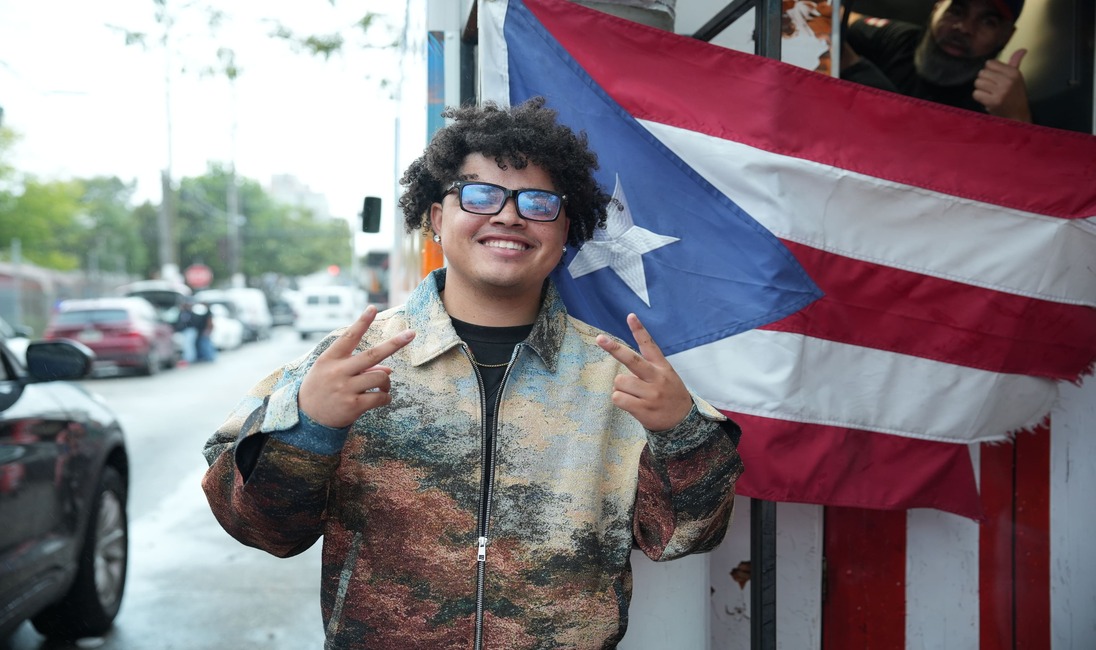
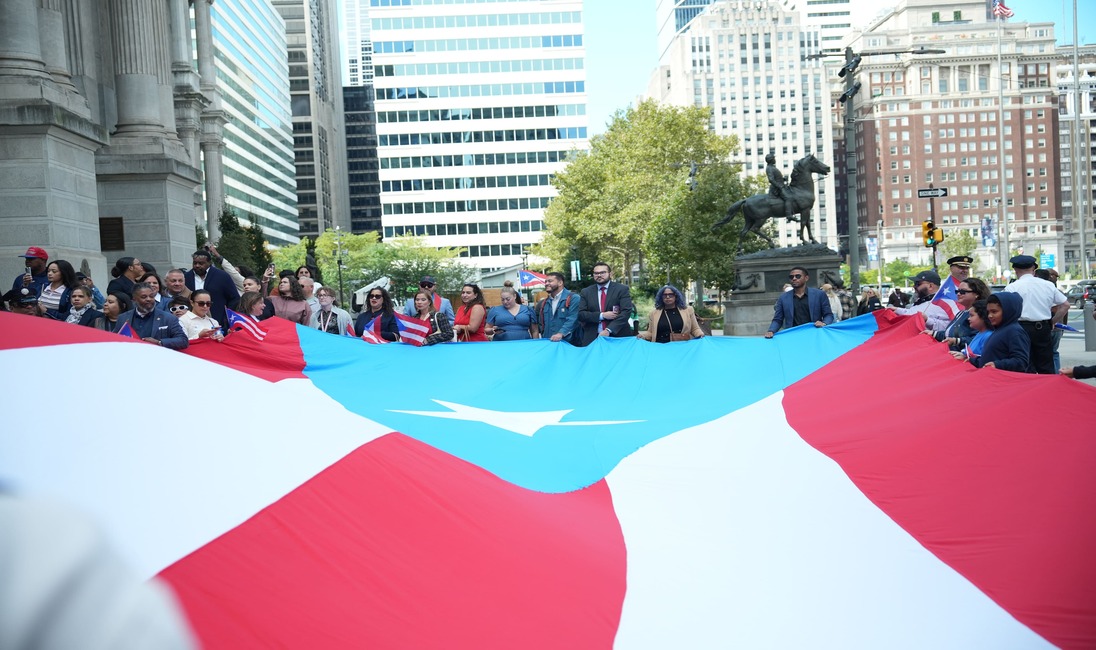
Then I saw the Puerto Rican flag.
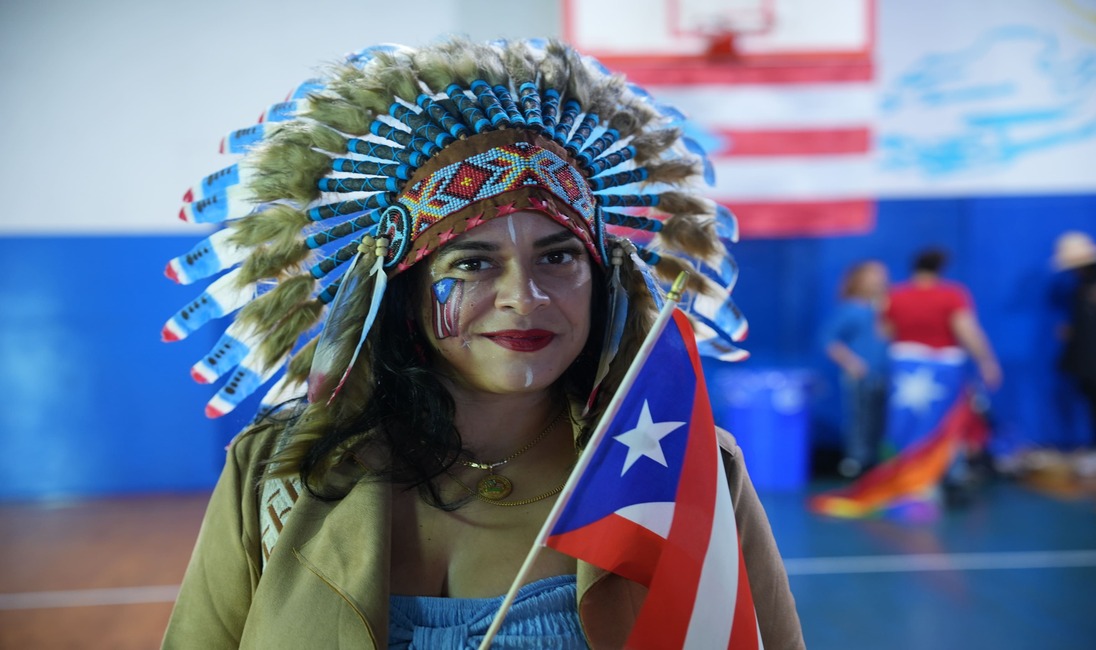
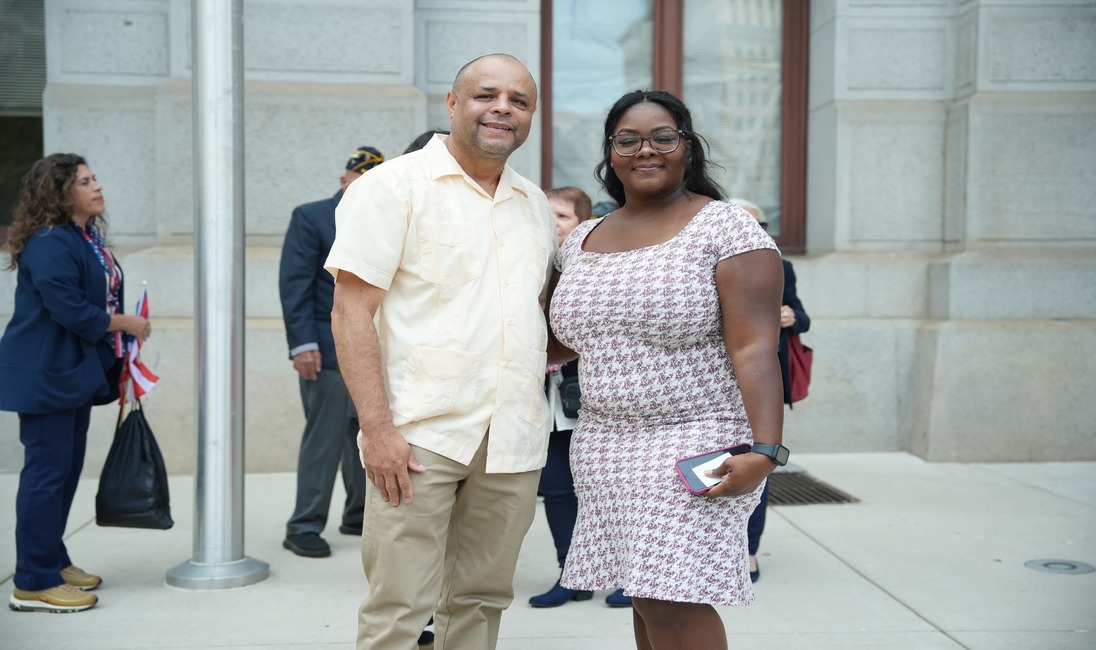
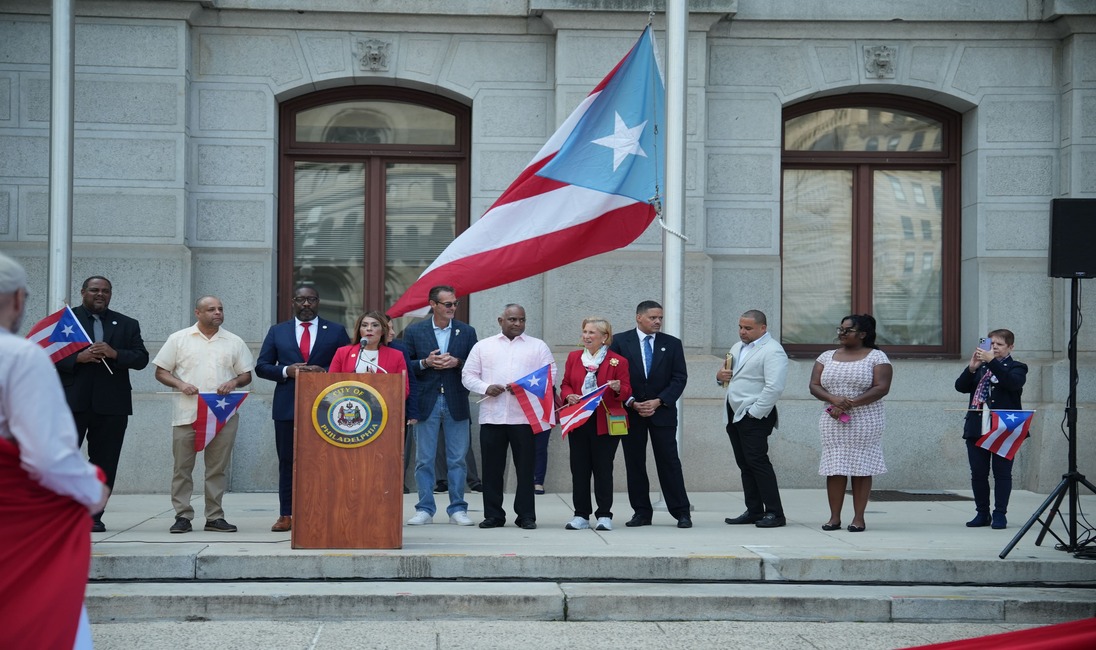
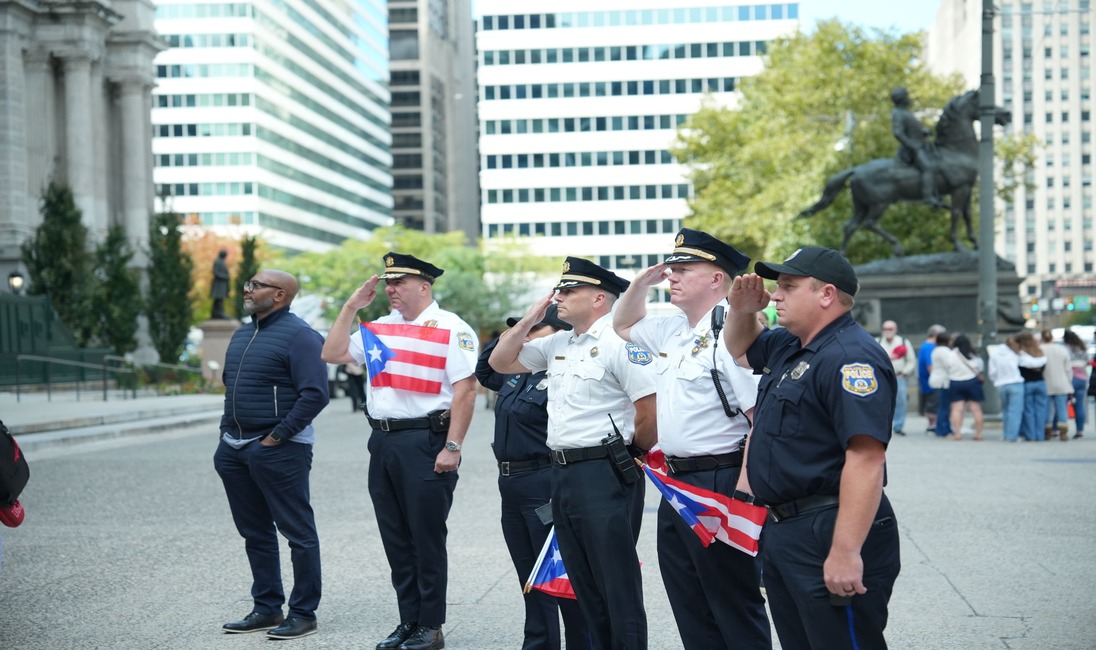
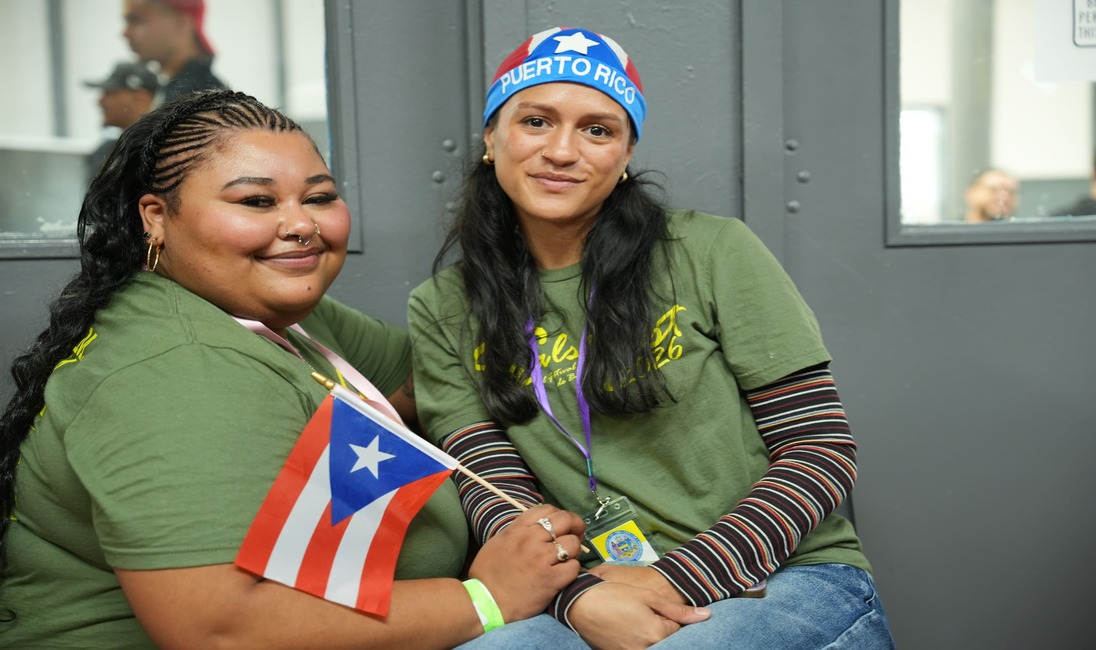
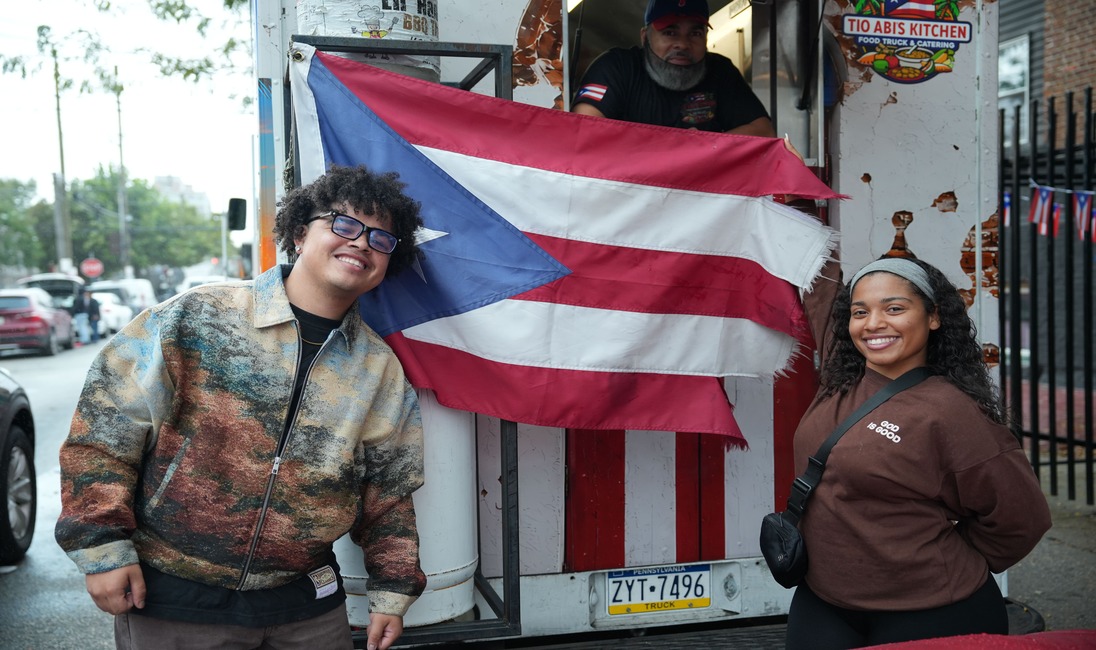
Philadelphia City Hall was hosting a Puerto Rican flag raising ceremony, held during Hispanic Heritage Month.
I stopped.
I had never heard of the ceremony before. Yet there I was, camera in hand, standing in the middle of a celebration I hadn't planned to attend.
I’ve been around Puerto Rican culture before. During my years living in the Bronx, Puerto Rican celebrations, neighborhood gatherings, backyard parties, music, food, and community were nothing unusual to me.
But Philadelphia was different.
And something about this particular afternoon made me pay attention.
Sometimes you think you’re going somewhere to accomplish one thing, and life quietly hands you something else.
That day, I came for paperwork.
I left with questions.
And if you’ve followed my work at Unlocking Our Voices, you already know what happens when I start asking questions.
I go looking.
A Conversation at Philadelphia City Hall
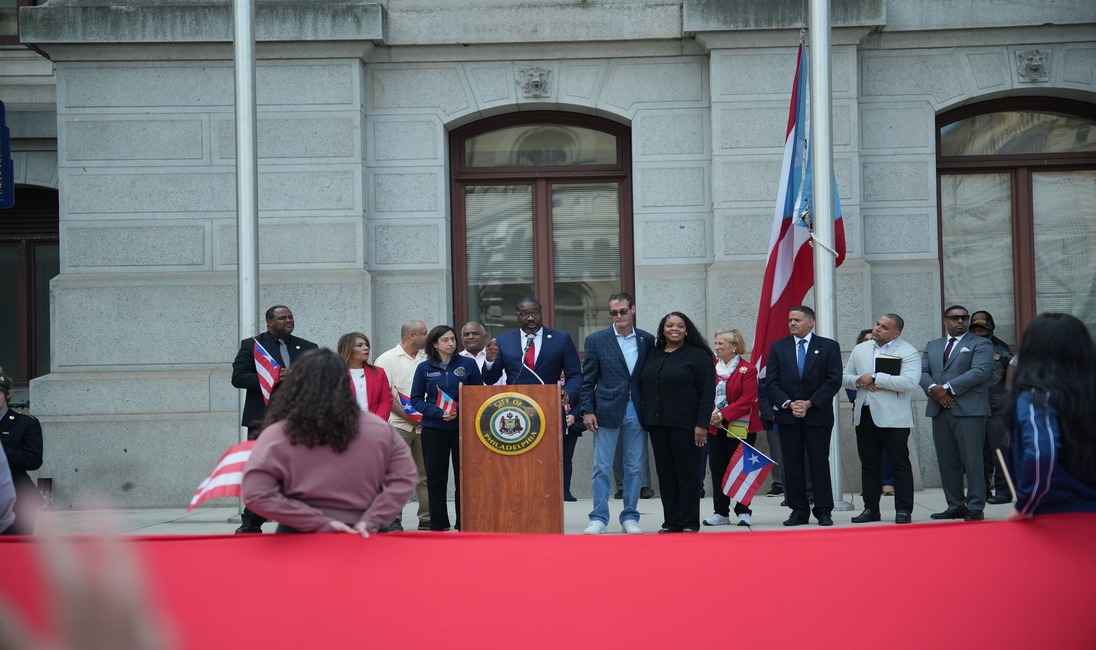
The ceremony began with the American national anthem, followed by a prayer. Council President Kenyatta Johnson and other officials were there.
Then Councilmember Quetcy Lozada of Philadelphia’s 7th District spoke.
And that’s when the ceremony became personal for me.
She talked about growing up and struggling with her Puerto Rican identity.
Born in the continental United States, she saw herself as simply American as a teenager. But her father kept reminding her that being American did not erase being Puerto Rican.
Your roots were still your roots.
You didn’t have to choose.
That hit me.
Because I understand the feeling, even though my story is different.
I’m Black. I was born in Jamaica and migrated to the United States as a young child. My nationality is Jamaican and American, but my identity is connected to something much bigger – the African diaspora.
Identity is funny.
People love neat categories.
Put this person here. That person here.
Check this box. Choose one.
But real people don’t work that way.
We are complicated.
We carry grandparents and great-grandparents with us. We carry languages, accents, recipes, music, religion, humor, memories, migration stories, and sometimes even things we don’t fully understand until we’re older.
And while I was listening to Councilmember Quetcy talk about Puerto Rican identity, another thought began forming in my head.
What Does It Mean To Be Afro-Puerto Rican?
Not simply Puerto Rican. Not simply Black. But Afro-Puerto Rican.
That question stayed with me.
Then I heard Hilrett Walker speak, the interim Chief Executive Officer, from The Council of Spanish Speaking Organizations. She is Afro-Puerto Rican. Later, at the lunch reception, I met Raquel Resto, also Afro-Puerto Rican.
Two conversations.
Two people.
One identity.
And suddenly I found myself thinking about Africa again.
Wait a minute… Puerto Rico is deeply African
The African Roots of Puerto Rico: A History Often Left Out
Let me be honest.
Most people know Puerto Rico is Caribbean. Most people know about salsa, reggaeton, beautiful beaches, baseball, food, family, and a certain level of Puerto Rican confidence that can probably be detected from three blocks away.
But ask people about the African roots of Puerto Rico, and suddenly the room gets quieter.
That’s what interests me.
Because African culture isn’t sitting on the outside of Puerto Rican identity looking through the window.
It’s inside the house.
It’s in the music.
It’s in the rhythms.
It’s in the food.
It’s in the dance.
It’s in language, traditions, spirituality, family, and community.
African people have been part of Puerto Rico’s history since the earliest period of Spanish colonization. Enslaved Africans were brought to the island beginning in the sixteenth century, and African communities became an important part of Puerto Rico’s development.
But here’s where I think we sometimes tell ourselves the wrong story.
We talk about enslaved Africans as though they arrived, suffered, and then disappeared into the footnotes.
But people aren’t footnotes.
They build things. They create families. They make music. They fall in love. They raise children. They resist.
They adapt.
They laugh.
They cook.
They pray.
They dance and they leave something behind.
And in Puerto Rico, African people didn’t simply leave something behind. They helped shape the culture that exists today.
That’s a much bigger story and frankly, it’s a much more interesting one.
The Drum Knows What The History Book Forgot
If you want to understand the African influence in Puerto Rico.
Listen.
Seriously!
Listen.
Because sometimes the history isn’t sitting in a museum display.
It’s being played. Bomba is one of the clearest examples. Born from the experiences and creativity of Afro-Puerto Rican communities, bomba isn’t just a style of music. It is a conversation.
The dancer moves.
The drummer responds.
The dancer challenges and the drummer answers.
It’s almost like watching an argument between two people who love each other too much to actually leave.
And that’s part of what fascinates me about African diasporic culture. The body remembers.
The rhythm remembers.
The community remembers.
When people were torn away from their homelands, they didn’t stop being cultural beings. They carried pieces of home with them. Maybe they couldn’t bring the village, but they brought the rhythm.
Maybe they couldn’t bring the language, but they brought the stories. Maybe they couldn’t bring everything they once knew.
But they brought enough to build something new.
That is one of the great stories of the African diaspora.
We don’t just survive displacement, we create culture in the aftermath.
Afro-Puerto Rican Identity Is Part of Puerto Rican Identity
This is where I think we need to change the way we talk about identity.
Afro-Puerto Rican identity isn’t something added onto Puerto Rican identity like an extra ingredient.
It is part of the recipe.
Puerto Rico’s history includes Indigenous Taíno, European, and African influences, along with generations of people whose ancestry became intertwined on the island.
That means African heritage isn’t foreign to Puerto Rico.
It isn’t an outside influence that arrived yesterday. It has been there for centuries. And yet race in Puerto Rico, like race throughout the Caribbean and Latin America, can be complicated.
There isn’t one “Black look.”
There isn’t one acceptable shade of Black. And there certainly isn’t a single way to express African ancestry. That’s something I've learned repeatedly through my own journey across the African diaspora.
People don’t always look the way history tells us they should.
And that’s precisely the point.
Identity is more than appearance. It’s ancestry. It’s memory.
It’s culture.
It’s family.
It’s experience. It’s what you inherit— and what you consciously choose to carry forward.
Afro-Puerto Rican Icons: Cortijo, Ismael Rivera, Syliva del Villard & Arturo Schomburg
And then there are the people who took Afro-Puerto Rican creativity and pushed it into the world.
Take Rafael Cortijo.
Take Ismael Rivera.
These weren’t obscure figures hiding somewhere in the margins of Puerto Rican culture. Their music became part of the cultural soundtrack of Puerto Rico. Cortijo Y Su Combo brought Afro-Puerto Rican musical tradition into popular culture with a force that couldn’t easily be ignored.
And Ismael Rivera became known as El Sonero Mayor —the great sonero.
Think about that for a moment. A Black Puerto Rican man whose voice became one of the defending voices of Puerto Rican music.
Then there’s Sylvia del Villard, who dedicated herself to preserving and promoting Afro-Puerto Rican culture and fought for greater recognition of Black Puerto Rican history.
And then there is Arturo Alfonso Schomburg.
Born in Puerto Rico in 1874, Schomburg would eventually become one of the most important collectors and champions of Black history in the United States.
His life is a reminder that history doesn’t preserve itself.
People preserve history.
Someone has to collect the photographs. Someone has to save the letters. Someone has to record the stories. And someone has to say, “No, we’re not throwing that away.”
Because a camera can do something. It can say:
I saw you.
You were here.
Your story mattered.
Afro-Puerto Rican Identity in the United States
What happens to Afro-Puerto Rican identity when Puerto Ricans leave Puerto Rico?
That was the question I couldn’t stop thinking about after leaving City Hall. Because the story doesn’t end on the island.
Puerto Ricans have built communities across the United States, particularly in cities like New York and Philadelphia. And migration changes things.
Culture gets mixed.
Languages collide.
Children grow up with one foot in one world and another foot somewhere else.
Those few sentences captured everything this organization strives to accomplish. Parents say one thing.
Grandparents say another.
Children sometimes answer in English. Everybody eats the same food anyway.
That’s diaspora.
And when Afro-Puerto Rican people move into mainland American cities, another layer gets added.
Here, Puerto Rican identity often gets viewed through an American racial framework. Suddenly someone who might simply be understood as Puerto Rican in one setting is expected to explain whether they are Black, Latino, both, or something else entirely.
And sometimes the answer is simply:
Yes.
Why must identity always be an either/or?
Why can’t it be both?
Why can’t it be many things?
I know something about carrying more than one identity
Maybe that’s why Quetcy’s story stayed with me.
I understand what it means to carry identities across borders.
I know what it means to be Jamaican and American.
I know what it means to be Black in America while carrying another national and cultural history. And I’ve learned that migration doesn’t erase where you came from. It adds another chapter. That’s why I don’t see Afro-Puerto Rican identity as a contradiction.
I see it as evidence of history.
A person can be Puerto Rican.
A person can be Black.
A person can be Afro-Puerto Rican.
A person can be American.
None of those words has to destroy the others. They can sit beside one another. They can argue occasionally like families do. But they can belong together.
Afro-Puerto Rican Culture Is Alive: “We’re Still Here”
And this is the part I want to emphasize.
I don’t want to tell Afro-Puerto Rican history as a story about people who were erased and forgotten.
Yes, there has been marginalization.
Yes, there are real questions about racial representation, historical recognition, and whose stories receive attention. But that cannot be the entire story, because Afro-Puerto Rican culture is not dead.
It isn’t trapped in a museum.
It isn’t waiting for somebody to bring it back.
It is alive. It is making music and it is raising children.
It is building businesses.
It is educating communities.
It is showing up at City Hall.
It is speaking into microphones and it is sitting across the table from me at a lunch reception and saying, in effect:
We’re still here.
And perhaps that is the sentence I want people to remember.
We’re still here.
Why I Started Unlocking Our Voices
When I think back on that September afternoon, I laugh a little.
Imagine me taking the train downtown with paperwork in one hand and a camera in the other. I thought I was running an errand.
Instead, I walked into a conversation about identity, migration, Blackness, Puerto Rican history, and the African diaspora.
That’s how these stories work. You don’t always find them because you planned to. Sometimes they find you because you’re paying attention.
That is why I carry my camera.
That ‘s why I ask questions.
That’s why I travel.
That’s why I started Unlocking Our Voices.
Because there are too many stories sitting just beneath the surface. And every time we uncover one, we discover another. The Afro-Puerto Rican story is not simply a story about where Africans came from.
It is a story about what they created.
It is about rhythm.
It is about family.
It is about imagination.
It is about courage and it is about people taking what history gave them and creating something history could never have predicted.
That deserves more than a footnote.
It deserves celebration.
It deserves curiosity.
It deserves to be taught.
It deserves to be photographed.
It deserves to be discussed around dinner tables and in classrooms, podcasts, documentaries, museums, churches, community centers, and yes–even unexpected conversation at Philadelphia City hall.
Exploring the African Diaspora: I’m Not Finished Looking
I left City Hall that afternoon with more questions than answers.
And in many ways it was good.
That’s exactly how I like it.
Because questions are invitations. There are Afro-Puerto Rican families whose stories I haven’t heard. There are communities I haven’t visited and there are musicians whose names I don’t yet know.
There are photographs I haven’t seen.
There are recipes I haven’t tasted.
There are elders whose memories deserve to be recorded and there are young people figuring out what Afro-Puerto Rican identity means to them right now. Somewhere between the drums, the stories, the food, the music, the migration, the memories, and the people, there is a much bigger story about the African diaspora waiting to be told.
So perhaps that September afternoon wasn’t an accident after all.
Maybe I was supposed to be there.
Maybe the paperwork was just the excuse.
Because sometimes history doesn’t knock on your door.
Sometimes it catches you walking through City Hall with a camera.
And when it does, you have a choice.
You can keep walking or you can stop and listen.
Ask questions.
And follow the story.
I chose to follow it.
And something tells me I’m just getting started.
Sowing Seeds of Memory: The Forgotten History of Afro-Mexicans